How Monster Hunter Outlanders Made the Hunt Work on Mobile
After its second test missed TiMi’s launch criteria, Monster Hunter Outlanders gave players two ways into the same hunt.
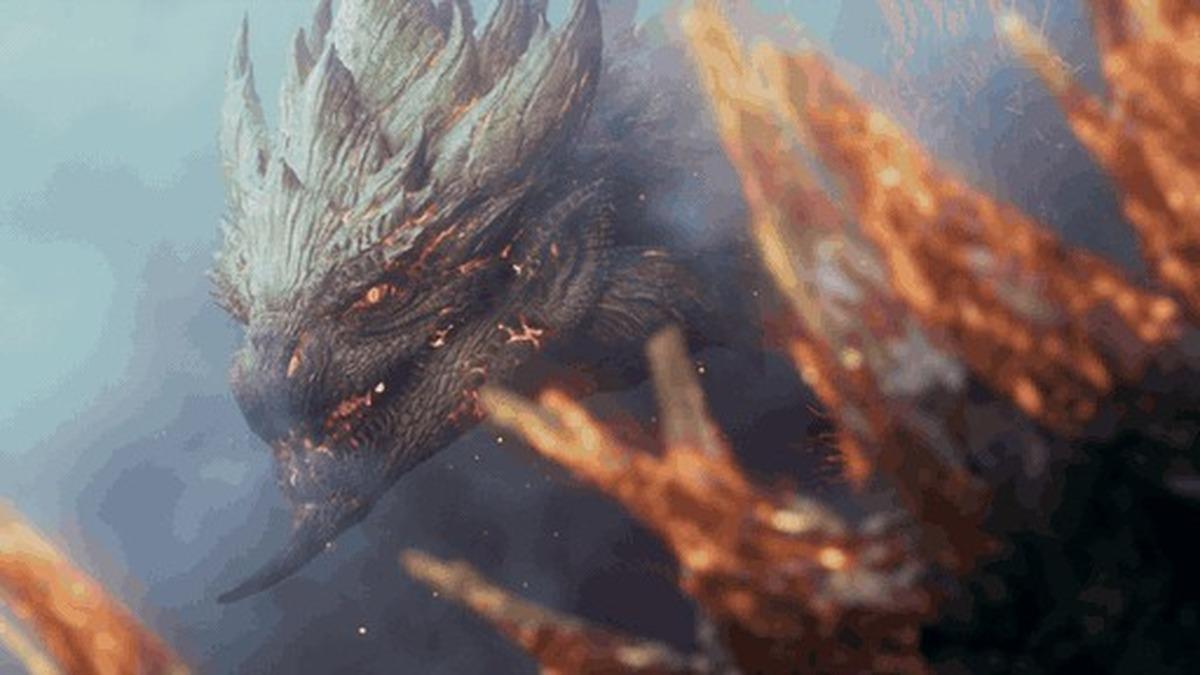
Monster Hunter Outlanders went back to No. 1 in Japan. Its second test had nearly cost it a launch.
TiMi Studio Group adapted Capcom’s Monster Hunter for iOS and Android by shortening the path to a fight and offering two ways to control it. In Japan, the launch campaign gave returning players a familiar way back in through specialist creators. Capcom launch announcement
Monster Hunter Outlanders returned to the top of Japan’s iPhone games grossing chart as the second half of Season 0 went live. Game Grape reported the game hit No. 1 on 27 November 2026. AppWinners’ dated snapshots show it moving from No. 7 on 27 November to No. 1 on 28 November. A storefront rank shows where the game stood that day. The decisions TiMi made before launch are the more useful story for publishers. 27 November chart · 28 November chart · Official Season 0 announcement

TiMi’s two tests exposed two different problems
In a post-launch interview with Game Grape (游戏葡萄), TiMi J1’s Ray Ning and producer Huang Dong said the first test stayed close to Monster Hunter’s original balance. Franchise fans liked it, but newcomers struggled. In the second test, TiMi made character progression and burst skills far more decisive. The build missed TiMi’s internal launch criteria.
That second test changed the reason a hunt was satisfying. Reading the creature, choosing when to commit and recovering from a bad decision are what make the encounter worth learning. If a burst of damage ends a fight before the monster can respond, there’s less for either audience to learn. Game Grape interview with TiMi

Give players two ways into the same hunt
TiMi’s answer was two control modes. One asks newcomers to make a few readable decisions: attack when there’s an opening, respond when the monster commits, and use the big move when it’s ready. Classic controls give players more room to learn weapon inputs and move combinations.
TiMi also cut some of the pre-hunt tracking. The team said three to five minutes of combat felt satisfying in its experience. That’s a useful design target for a phone session, particularly if the encounter asks you to make consequential decisions quickly. Game Grape interview
Huang’s example was unusually human. He spent more than 30 hours helping a friend learn Monster Hunter, playing support with a hunting horn and talking him through attacks. Eventually the friend wanted to hunt alone. The game still faces a version of that handoff. TiMi told Game Grape it was still working out how to encourage interested players to move from the simpler mode to Classic. More people getting through hunt one is a start. Hunt ten is where you learn whether they want to get better. Game Grape interview
In Japan, the team marketed to people who already had Monster Hunter memories
Capcom reported more than 131 million franchise units sold worldwide as of 30 June 2026. That is series-wide context. TiMi’s Japan team made a more local bet: some players already associated Monster Hunter with passing a PSP around at school. According to the interview, the team worked with specialist Monster Hunter creators early, brought in Hikakin later and reused familiar creator footage in paid campaigns. Capcom launch announcement and franchise sales · Game Grape interview
The campaign and the controls addressed the same question from different sides. Could a player recognise the hunt they remembered and see how it would fit into their life today? For a publisher adapting a franchise, I’d track first-hunt completion for newcomers, repeat hunts by control mode and whether lapsed fans return after the first update. Those measures tell you more about the adaptation than a chart peak can.
If you put your franchise on a smaller screen tomorrow, which part would fans fight to keep?